Most Northland winters are mild enough that a healthy septic system never notices. Then an arctic cold snap parks over Kansas City for a week, the ground freezes deeper than usual, and rural Clay and Platte County homeowners start finding toilets that will not drain. Frozen septic systems are preventable most of the time. Here is why they freeze, what helps, and what to do if yours already has. If you need help now, call (816) 789-0639 or request a free estimate.
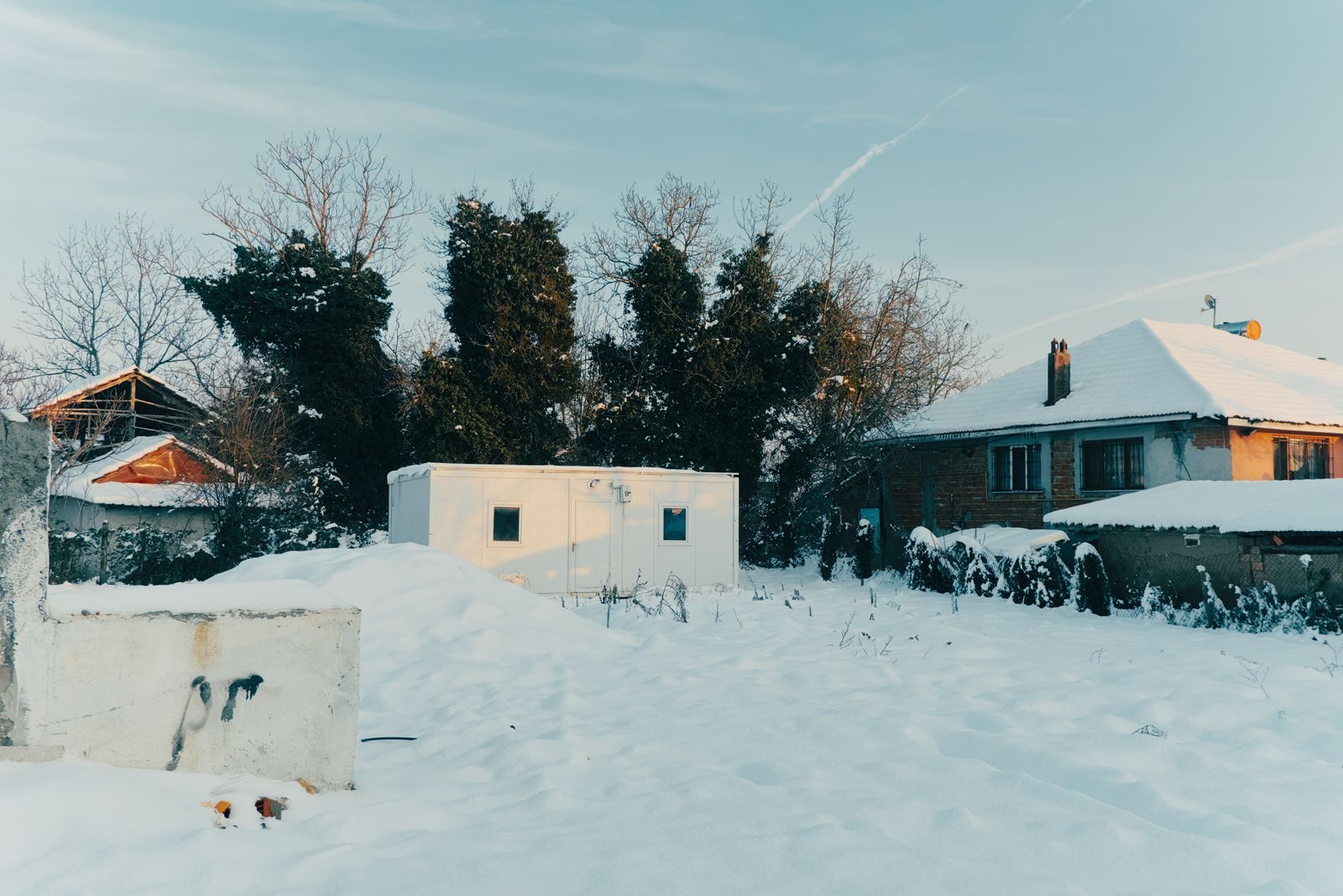
Why septic systems freeze
A septic system stays warm because of the water moving through it. Household wastewater goes in warm, and bacteria in the tank give off a little heat of their own. The soil above the pipes and tank acts as insulation. Freezing happens when one of those three things goes missing:
- Not enough water moving. A house that sits empty for a week, a weekend cabin near Smithville Lake, or a one-person household that uses very little water can let lines cool and freeze.
- Not enough cover. Shallow lines, tanks with little soil over them, and lids or risers without insulation lose heat fast. Compacted soil from vehicles and bare ground with no grass or snow freeze deeper.
- Slow drips. A leaky faucet or a running toilet sends a trickle of water that can freeze in layers inside the pipe until it closes off.
- Pump chambers. Systems that pump effluent uphill to a field or lagoon, common on hilly lots around Parkville and Excelsior Springs, have a pump, float switches, and a discharge line, and any of them can freeze.
Before the cold snap
- Add insulation over the tank and lines. A layer of straw or mulch about a foot deep over the tank, the line from the house, and the start of the field helps a lot in a hard freeze. Put it down in late fall, before the ground freezes, and pull it back in spring.
- Let the grass grow longer over the system in fall. Taller turf holds snow, and snow is excellent insulation.
- Keep traffic off. No cars, trucks, or snowplow piles on the tank or field. Compacted soil and packed snow drive frost deeper.
- Fix leaks. Running toilets and dripping faucets are a freeze risk. Repair them.
- Check the risers and lids. Make sure they are tight and insulated if your system has them.
- Pump if it is due. A tank that is close to full has less room to absorb a problem. Fall is a good time to pump.
During a cold snap
- Use water normally, spread through the day. Warm water from showers, laundry, and the dishwasher keeps things moving. Do not leave faucets dripping to “protect” the septic. That is how lines freeze.
- If you are leaving, ask someone to run water in the house every day or two, or talk to a septic pro about how to protect the system while it sits.
- Watch the alarm panel on a pump system. An alarm in a cold snap can mean a frozen float or a frozen discharge line.
If your system froze
- Stop using water if drains are backing up, or water has nowhere to go.
- Do not add antifreeze, salt, or chemicals to the system. They can harm the bacteria and the soil, and they rarely fix the freeze.
- Do not build a fire or use an open flame over the tank or lines.
- Call a septic pro. They can find where the freeze is, steam or jet the line, check the pump and floats, and pump the tank if needed to relieve the backup. Call (816) 789-0639 and say it is a frozen system.
Sometimes a freeze clears with a few days of warmer weather and normal water use, but a backup in the meantime is a mess no one wants. If you have one, see septic repair and emergency backups.
When a freeze is a sign of a bigger problem
A system that freezes every winter usually has an underlying issue: lines that sag and hold water, a field that was installed too shallow, a tank with no cover, or a pump chamber that is not draining properly. Fixing the cause is cheaper over time than paying for a thaw every January. If your system keeps freezing, ask for an inspection in the spring.
Questions homeowners ask
Will snow freeze my septic system? Usually the opposite. Snow cover insulates. Bare, compacted ground is the problem.
Can I use a heat lamp or heat tape? Heat tape on exposed pipe in a crawl space can help if it is installed safely. Do not put heat lamps or open flames in the yard.
Does a frozen system mean the drain field is ruined? Not necessarily. Once it thaws, most fields return to normal. Have it checked if it backs up again or the yard stays wet.
Septic services are provided by independent local professionals. Price ranges are general estimates, not quotes.
Call (816) 789-0639 or request a free estimate.