A septic tank is supposed to hold solids so only clear liquid moves on to the drain field. When the sludge and scum layers get too thick, solids start washing into the field, and that is how a few-hundred-dollar pump-out turns into a five-figure field replacement. If your tank is due, overdue, or you have no idea when it was last pumped, call (816) 789-0639 or use the free estimate form to reach a local septic pro who works in Clay and Platte counties.
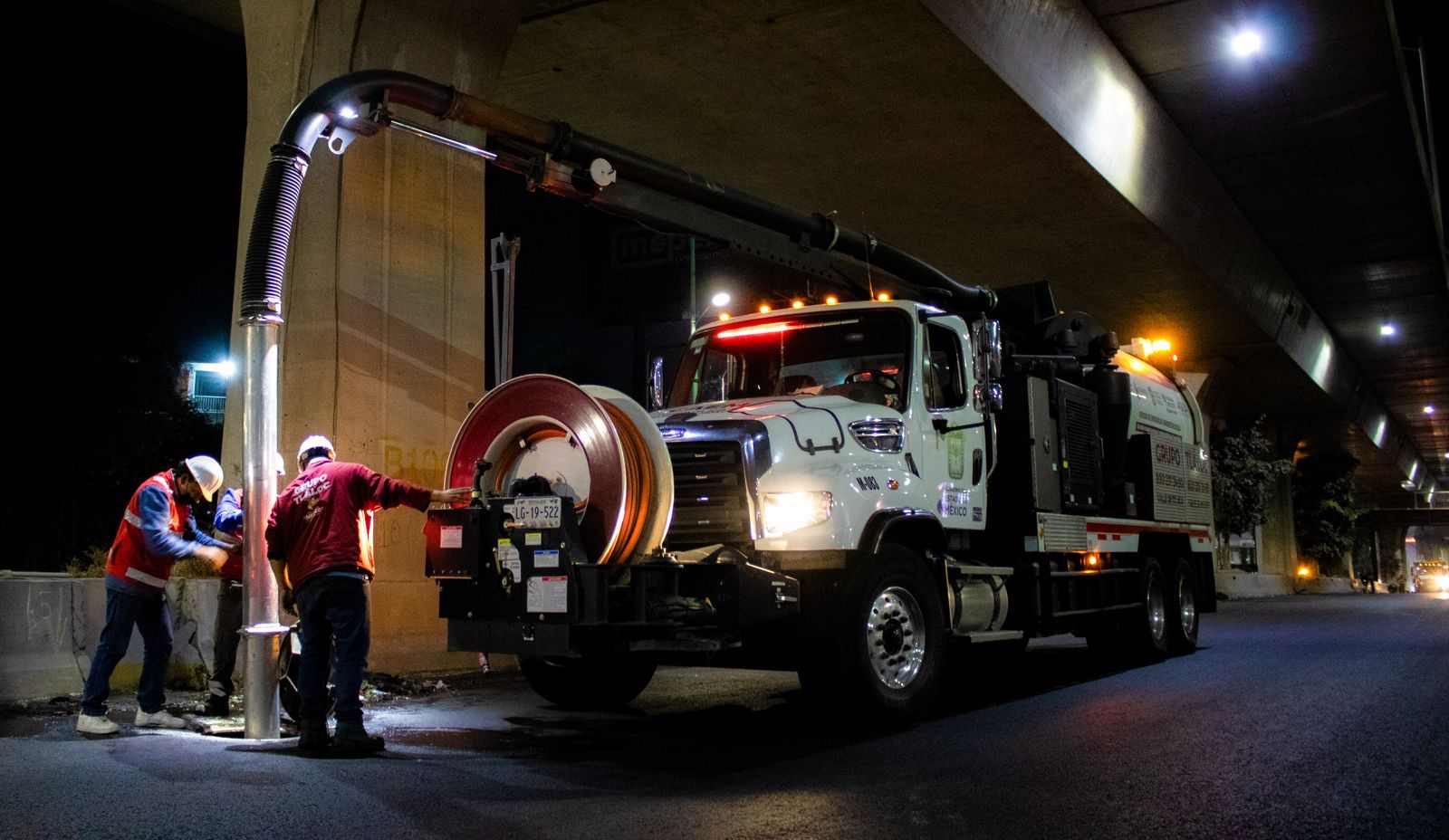
We take pumping requests in Liberty, Gladstone, North Kansas City and KC North, Kearney, Smithville, Parkville, Platte City, and Excelsior Springs.
Signs the tank needs pumping
- It has been more than three to five years, or you do not know when it was last done.
- Toilets and tubs drain slowly, and plunging does not fix it.
- Gurgling in the drains when the washer empties or a toilet flushes.
- Sewage odor near the tank lids or in the yard.
- Grass over the tank or field is greener and spongier than the rest of the yard.
- A high-water alarm on a pump tank or aerobic unit.
- You just bought the house and the seller had no pumping records.
The EPA’s general rule is to have a typical household tank pumped every three to five years. A two-person household with a 1,000-gallon tank can stretch toward the long end. A family of five, a smaller tank, or heavy garbage disposal use pushes it shorter.
What a pump-out includes
A good pumping visit is more than backing up a truck. The pro should:
- Locate the tank and open every compartment. Many Northland tanks have two compartments, and both need pumping. If the lids are buried, digging adds time and cost. Ask about adding risers so next time is easier.
- Pump out the scum, liquid, and sludge until the tank is actually empty, not just lowered.
- Look at the inlet and outlet baffles, the tank walls, and the effluent filter if there is one. A missing outlet baffle is one of the most common reasons solids end up in a drain field.
- Watch for backflow from the field. Water running back into the tank from the outlet side can mean the field is saturated. That is worth a drain field check.
- Write down the tank size, condition, and date so you have a record for the next pumping or a future home sale.
If the tank is in bad shape, you should hear about it on the spot, with repair options priced separately.
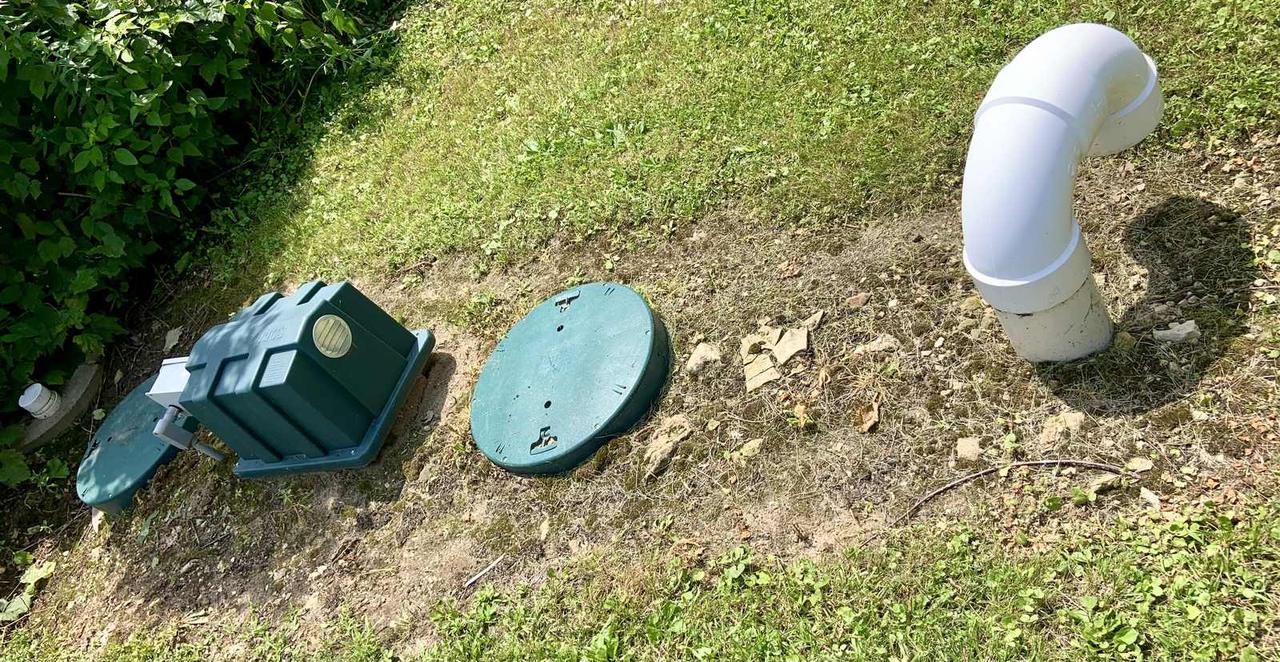
What pumping costs in the Kansas City area
Angi’s Kansas City septic pumping guide (updated May 2026) puts the average around $378, with most homeowners paying $290–$479. By tank size, Angi lists roughly $325–$750 for a 1,000-gallon tank and $350–$1,100 for a 1,500-gallon tank. Furthur’s 2026 Kansas City data shows a typical range of $402–$528.
What moves a Northland pump-out up or down:
- Tank size and number of compartments. Larger rural homes often have 1,250- to 1,500-gallon tanks.
- Buried lids. Locating and digging can add roughly $45–$230, per Angi’s inspection data. Risers pay for themselves over a few pump-outs.
- Distance and access. A long gravel drive, a soft yard after rain, or a tank behind a fence on a Parkville hillside takes more time and hose.
- How overdue it is. Thick, packed sludge and grease take longer to break up and pump.
- Emergency or weekend timing. Expect a premium for a same-day call when the tank is backing up.
- Filter cleaning or baffle work. Usually a separate line item.
Lagoons and aerobic systems
Lagoon systems, common on rural Clay and Platte County lots, still have a pretreatment tank that needs regular pumping. The lagoon itself needs mowing, a clear fence, and an eye on water level, not a pump truck. Aerobic units need their pretreatment tank pumped too, plus regular service on the aerator and alarm. Tell the pro which kind you have when you call.

What to send with your request
Your city, the approximate age of the home, tank size if you know it, when it was last pumped, whether the lids are exposed, and photos of the area. If you have a lagoon, an aerobic unit, or a pump chamber with an alarm, say so. Call (816) 789-0639 or request a free estimate.
FAQs
Should I add bacteria or additives? The EPA does not recommend relying on additives. Regular pumping and keeping grease, wipes, and chemicals out of the drains do more.
Can I drive on the tank or field? No. Keep vehicles, trailers, and livestock off both. Trucks crack tanks and compact the soil in the field.
Will pumping fix a soggy drain field? Pumping takes the load off for a while, but if the field is saturated, the problem usually comes back. Ask for a field evaluation.
Do I need to be home? Not always, if the tank location is marked and the gate is open. The pro will tell you.
Septic services are provided by independent local professionals. Price ranges are general estimates, not quotes.
Call (816) 789-0639 or request a free estimate.