The drain field, also called the lateral field or leach field, is where septic water actually gets treated, by soaking slowly through soil. It is also the most expensive part of a system to replace. In the Northland’s clay soils, a field that is old, undersized, or full of solids can fail quietly for years before it shows up as a wet yard or a failed inspection. If you suspect yours, call (816) 789-0639 or use the free estimate form to reach a local septic pro who works in Clay and Platte counties.
We take drain field requests in Liberty, Gladstone, North Kansas City and KC North, Kearney, Smithville, Parkville, Platte City, and Excelsior Springs.
Signs of a failing drain field
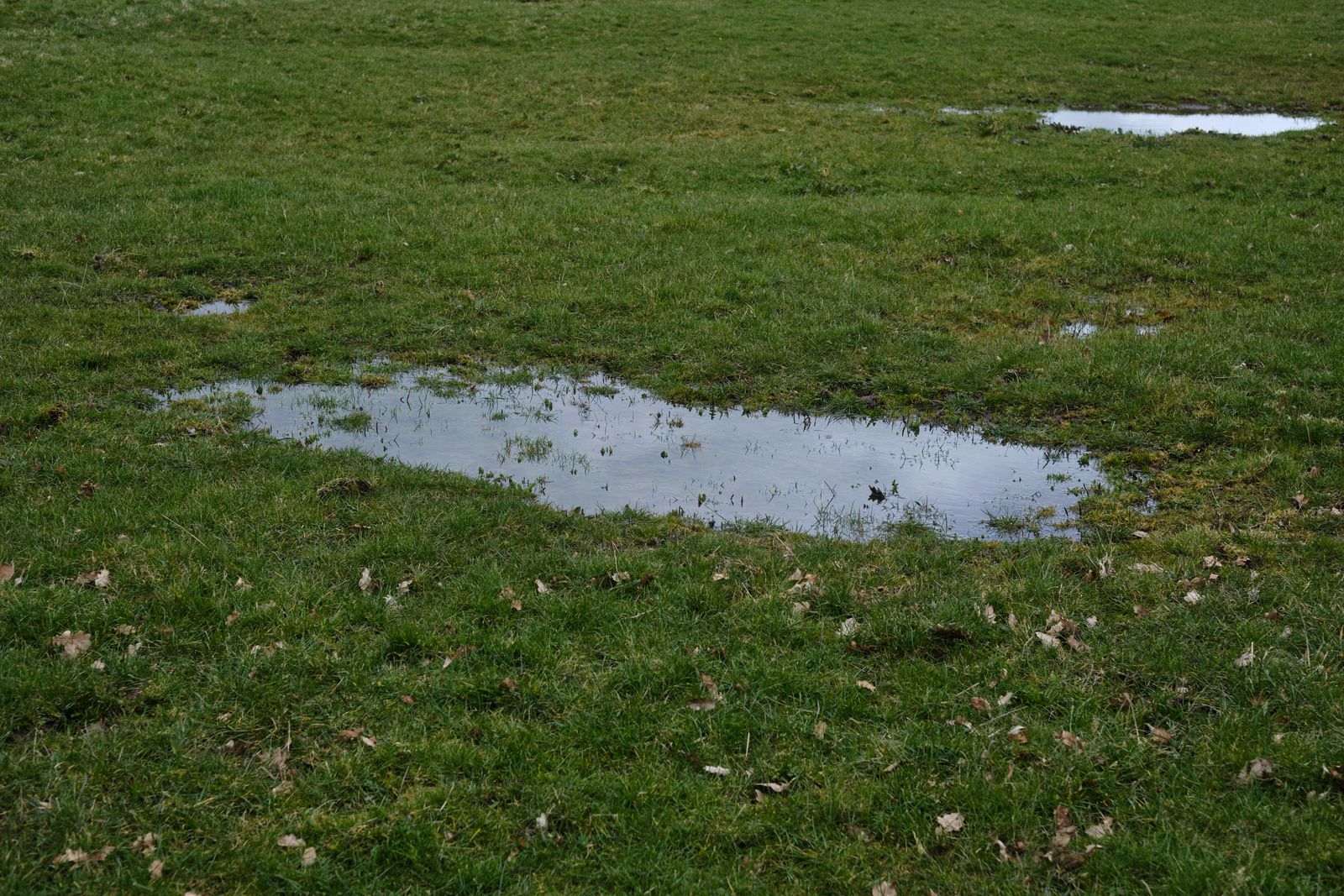
- Soggy, spongy ground or standing water over the lateral lines, especially when it has not rained.
- Stripes of bright green grass that follow the trenches.
- Sewage odor in the yard.
- Drains that slow down after laundry day or a houseful of guests, even right after the tank was pumped.
- Water flowing back into the tank from the outlet side during pumping.
- A septic inspection with a hydraulic load test that the field did not pass.
Why fields fail in the Northland
- Clay soils. Much of Clay and Platte counties is silty loess over clay-rich subsoil. It accepts water slowly. Fields sized for a two-bedroom house decades ago can be overwhelmed by a family of five today.
- Solids from the tank. A tank that was never pumped, or that lost its outlet baffle, sends sludge into the trenches and seals the soil.
- Wet springs. Heavy spring rain and a high water table can saturate the soil around the laterals. A field that works in August may struggle in April.
- Compaction. Driving, parking, or building over a field crushes pipes and squeezes the air out of the soil.
- Roots. Willows, silver maples, and other thirsty trees planted too close send roots into the lines.
- Age. Fields do not last forever, even with good care.
Repair or replace
Not every wet spot means a brand-new field. Depending on what the pro finds, options can include:
- Pumping the tank and fixing the baffle or filter so solids stop reaching the field, then resting the field.
- Cutting water use and fixing leaky toilets and fixtures that overload the system.
- Repairing a crushed or broken section of pipe or a failed distribution box.
- Clearing roots and removing the trees causing them.
- Adding new lateral lines in the reserve area.
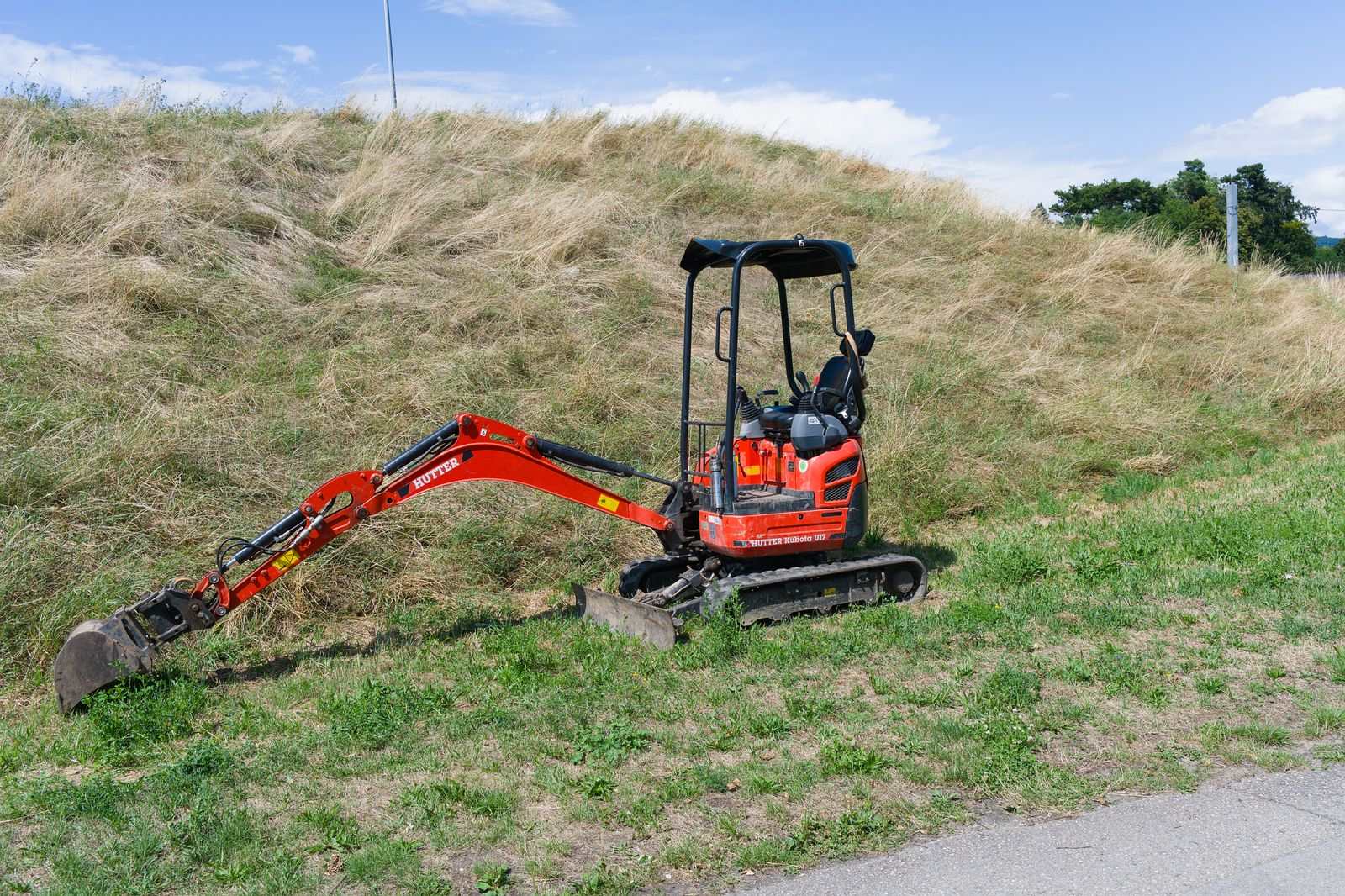
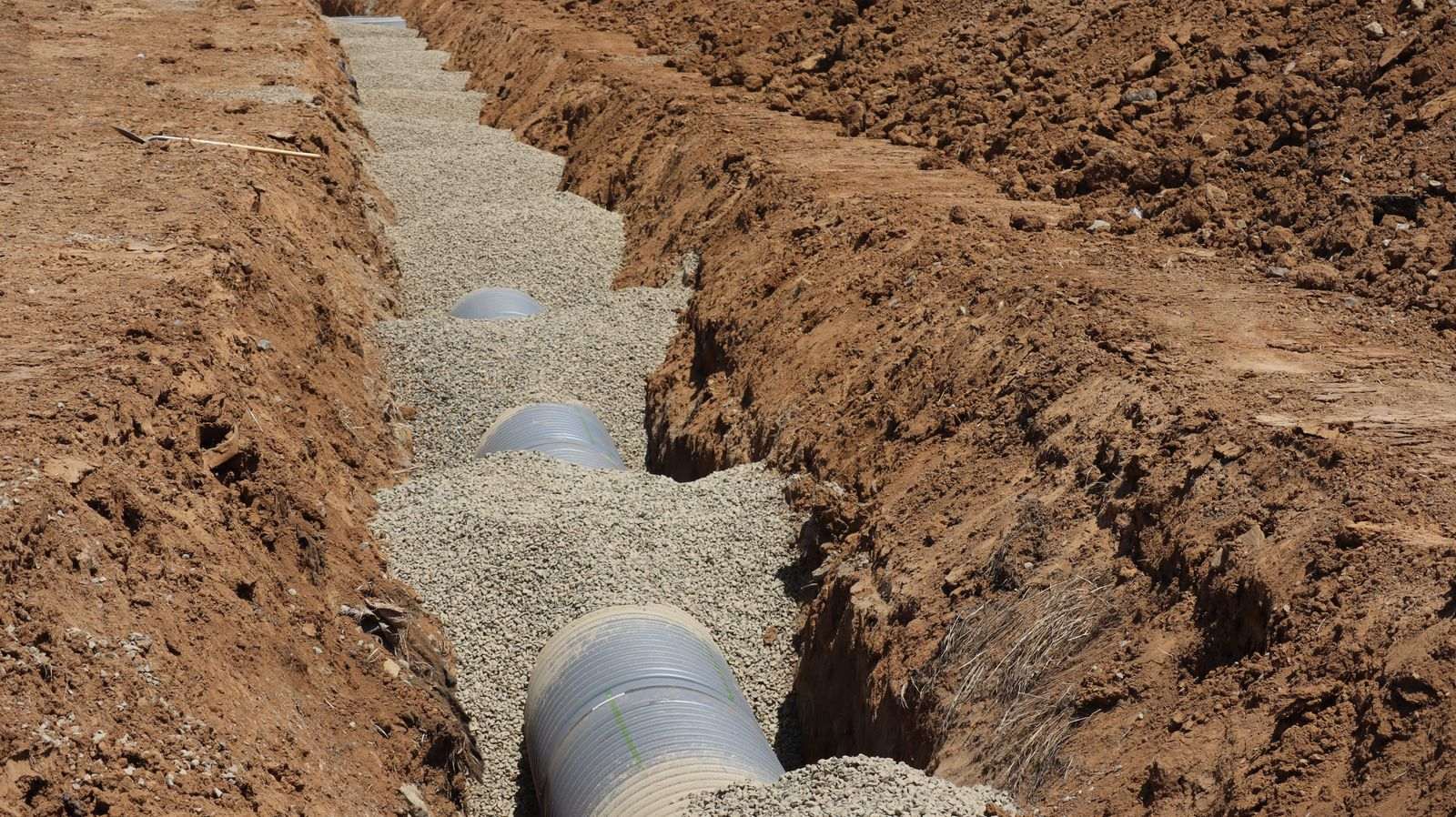
- Full replacement of the field, sometimes with a different design, such as a low-pressure pipe (LPP) system, drip dispersal, or a lagoon when soils are too slow.
A replacement field generally needs a soil evaluation and a county permit before work begins. In Clay County, onsite systems under 3,000 gallons a day are permitted and inspected by the Clay County Public Health Center in Liberty. In unincorporated Platte County, the Platte County Health Department issues permits and requires a soil morphology report and site layout with the application. Inside Kansas City, Missouri, city code generally requires a sewer connection instead of a septic repair when public sewer is available within about 200 feet.
What drain field work costs in the Kansas City area
SepticCostEstimate’s Kansas City guide puts drain field replacement at about $4,500–$19,000, depending on soil absorption, the reserve area, groundwater, slope, and permits. Smaller repairs, like a broken distribution box or a short run of pipe, can be far less. Engineered designs and lagoons cost more than a conventional trench field.
What moves the number: the size of the house (bedrooms drive the design), the soil report, slope, how much room there is for a new field, tree removal, driveway or fence crossings, and how much yard restoration you want.
What to send with your request
Your city, the number of bedrooms, the age of the system if you know it, when the tank was last pumped, and photos of the wet area, the tank lids, and the general layout of the yard. If you have a failed inspection report, mention it. Call (816) 789-0639 or request a free estimate.
FAQs
Can a drain field be saved? Sometimes. If the cause is solids from the tank or too much water, fixing those and resting the field can help. If the soil is sealed or the pipe is crushed, replacement is usually the answer.
How long does replacement take? The digging is often a few days. Soil testing, design, and the county permit can add weeks, and very wet weather can delay excavation.
Can I plant over a drain field? Grass is best. Keep trees and shrubs well away, and never put a garden, patio, or driveway over it.
Will my yard be torn up? There will be trenches and equipment tracks. Ask how the site will be graded and seeded when the job is done.
Septic services are provided by independent local professionals. Price ranges are general estimates, not quotes.
Call (816) 789-0639 or request a free estimate.